Roofing Fundamentals for Beginners
A roof is not just shingles. It's a system made up of layers, each with its own job: the shingles shed water, the underlayment catches what gets past them, the decking distributes weight, and the trusses or rafters hold everything up. Understanding what each part does will change how you talk to contractors, evaluate repairs, and decide what you can tackle yourself. Most people never think about their roof until something goes wrong or a contractor appears at the door. But spending an hour learning how a roof actually works transforms those conversations from confusing sales pitches into a real exchange of information.
You don't need to be able to reroof a house to understand what a roofer is talking about. Knowing the names of the pieces and what they do is nine-tenths of the conversation.
This guide walks through the basic vocabulary and structure of a typical residential roof, the materials you'll encounter, and what "slope" and "pitch" actually mean when a contractor mentions them. We'll cover just enough detail that you can follow along when someone explains what's happening up there, ask smart questions about materials, and understand why certain repairs matter more than others. By the time you finish reading, you'll know what a rafter is, why a ridge board matters, how water actually travels across a roof, and why one material might be the right call for your house while another would be a waste of money.
The Key Figures
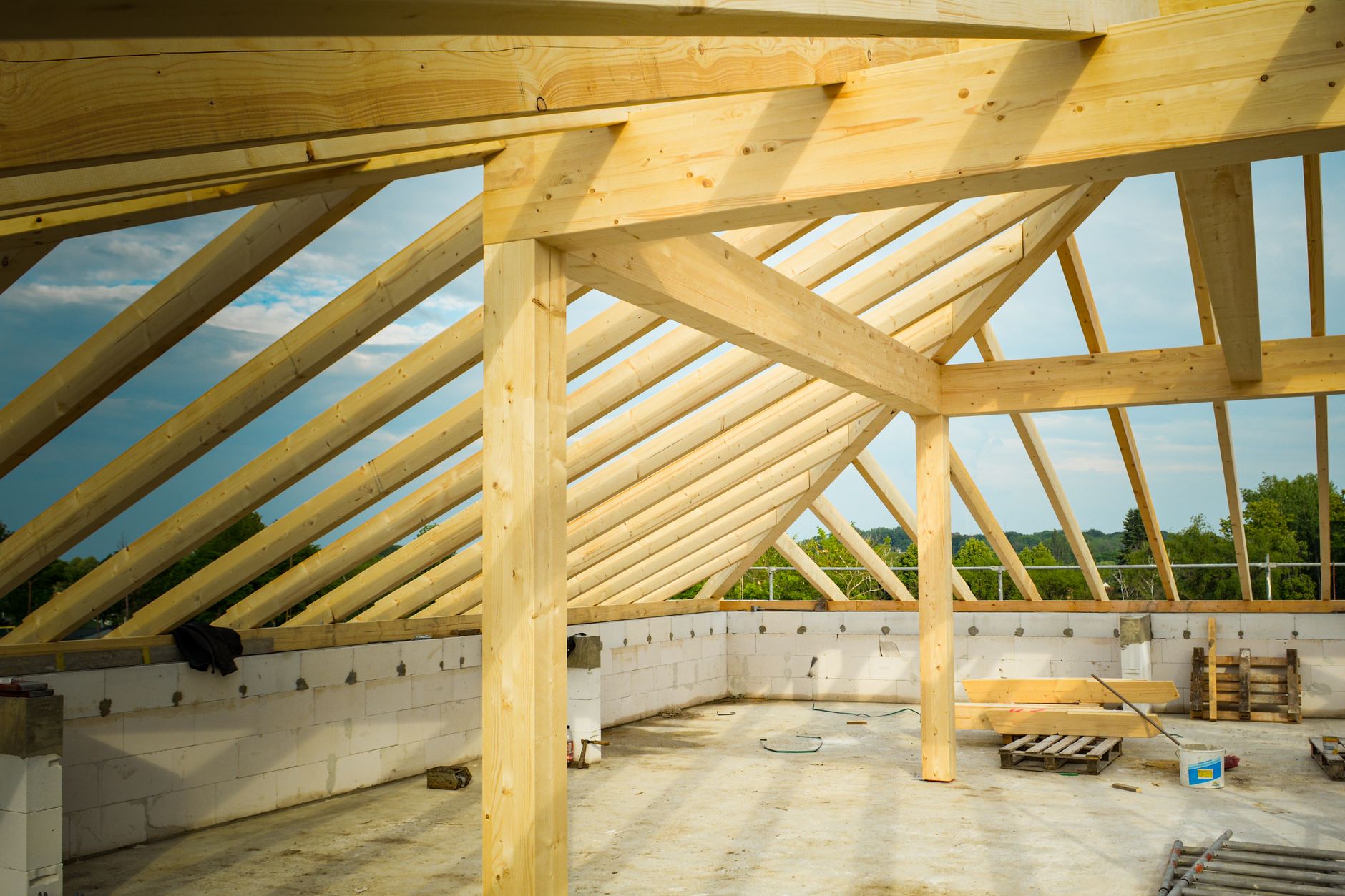
A residential roof sits on top of the building's frame, held up by a structure of wooden beams or trusses. Those beams carry the weight of the materials, weather load, and the occasional hail storm. Atop that structure sits the decking—sheets of plywood or OSB that form the base for shingles. Then come the shingles themselves, along with metal edging (drip edge and gutters) that direct water safely off the house. The most common residential roof is pitched—sloped rather than flat—and the steepness of that slope determines how fast water runs off and what materials will work. Understanding these components means you're no longer guessing when a contractor describes what's happening on your roof. You'll recognize the pieces, know why each one matters, and understand how they work together to keep water out and your house dry for decades.
How to Use This Guide
Move through this resource in any order that makes sense for your situation. If you're facing a roof repair, the materials section will help you understand what the contractor is recommending. If you're planning to do some work yourself, the how-tos cover the most common projects people tackle safely. And if you just want to understand what someone is talking about when they mention your roof's "slope" or "pitch" or "underlayment," you've landed in the right place. Start with whichever piece of the puzzle is most confusing to you right now.
This guide assumes you're a beginner, so no jargon goes unexplained. A roof is simple enough once you know what the parts are called and what they're supposed to do. That knowledge stays with you whether you're climbing on the roof yourself or sitting in a roofer's truck talking through a bid. Most of what you need to know boils down to how water moves across your roof, what materials shed water best, and when a problem is cosmetic versus when it's urgent. By the end of this section, you'll have enough context to ask smarter questions and understand the answers you get.