Seasonal Roof Maintenance Checklist
A roof doesn't fail all at once. It fails because small problems—a missing shingle, clogged gutters, standing water in a valley—weren't caught and fixed when they were still small. The difference between a roof that lasts twenty-five years and one that fails at fifteen is often just two afternoons a year spent looking at what's happening up there. Spring and fall are the times to do it: after winter snow and ice have done their work, and before the next cold season starts. You don't need to be a roofer to spot the things that matter.
This checklist walks you through what to look for, where to look for it, and the exact moment to stop doing it yourself and call someone who does this for a living. It's written assuming you're comfortable on a ladder and you've got decent light—which usually means a clear morning after the dew dries. If you're uncomfortable at height or your roof is more than two stories, skip to the "when to call a professional" section. That's not a failing on your part; it's knowing your limits.
Step Through It
Start in the gutters. Look for leaves, shingle grit, and standing water. If you find grit—the black sand texture on asphalt shingles—your roof is weathering, which is normal, but heavy grit buildup in gutters every year means the roof is aging faster than it should. Clear the gutters, then flush them with a hose to make sure water moves. Look for seams where gutters meet downspouts; standing water here is how gutters rot from the inside out. You want the water to move at a continuous downward angle—if it pools anywhere, you've found a problem that winter will make worse.
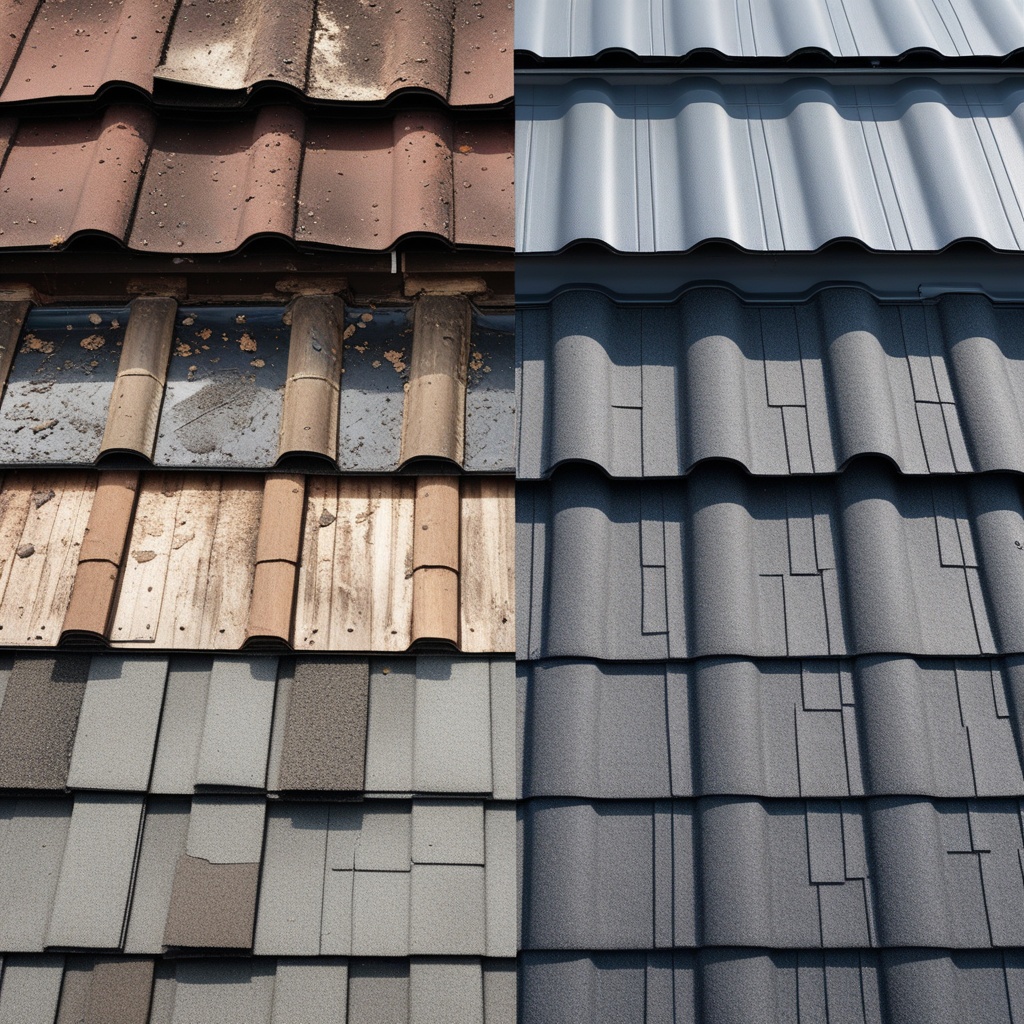
Next, walk the roof line itself if you're on a ladder looking at it from below. Look for shingles that are cupped at the edges, missing tabs, or cracked. One or two missing tabs is normal attrition; five or ten in the same area means a wind event happened and the roof lost integrity there. Curled or lifted edges are also signs of aging—asphalt shingles lose their seal as they age, and once that seal breaks, water starts moving sideways under the shingles instead of down them. Finally, look at the valleys where two roof planes meet, and the flashing around any pipes or vents. These are leak highways—water moves toward them on its way down. Gaps in flashing, missing caulk, or corrosion around the flashing edge all mean water is finding a way past the outer layer. If you see dark stains trailing downward from a vent or pipe, water has already been in the flashing seam long enough to stain. That's a repair that shouldn't wait for spring.

What It Should Look Like When Done

Questions to Ask Before Committing
- Can I safely access my roof from a ladder, or is the pitch too steep? Anything steeper than a 6:12 pitch (six inches of rise per twelve inches of run) is harder to walk on, and anything steeper than 8:12 usually requires roof jacks or harnesses. Know your roof's pitch before you climb.
- How old is my current roof, and am I seeing normal wear or accelerated aging? Roofs typically start showing signs around year ten or twelve. Before that, isolated problems are maintenance issues. After year twenty, clusters of problems mean the roof itself is failing.
- Are small repairs sufficient, or are there so many problems that replacement is closer to the cost of fixes? If you're going to spend three thousand dollars patching, you're close to a four-thousand-dollar partial replacement that would last ten years instead of five. Do the math on repair versus replacement before you commit.
- Do my gutters drain fully, or is standing water a recurring issue after rain? Clear gutters and test them with a hose. If water still pools after the hose shuts off, you have a slope problem or a blockage somewhere downstream.
- Are there visible leaks inside the house—water stains on ceilings or walls? Interior leaks mean water has been moving through the attic long enough to show up where people live. That's not a maintenance issue anymore; that's a structural threat.
When to Call a Professional
If you're on the roof and you find torn flashing, corrosion around vent pipes, or significant sections of missing shingles—stop and call someone. You've done what you were meant to do: you identified the problem. The next step is not a DIY step. A professional can assess whether a repair will hold or whether replacement is the right call, and they have the equipment and insurance to work safely on a steep roof or a tall house. This is especially true if you're in a climate with freeze-thaw cycles or sea spray; corrosion and water infiltration in those conditions accelerate failures that your inspection won't catch until it's expensive.
Also call someone if the roof is more than twenty years old and you're seeing multiple signs of aging in the same inspection—curling shingles, heavy grit loss, and separated flashing together suggest the roof is past its usable life. A professional can tell you whether you're looking at isolated repairs or full replacement. And if you find any evidence of interior moisture—water stains on attic beams, soft spots in attic insulation, or dark streaks on rafters—don't patch the outside. That's a sign water has been getting in for a while, and the path it took might not be obvious from the roof inspection alone.
Additional resources
- This Old House — Roofing — their installation guides and cost breakdowns are a good gut-check before you decide whether this is a weekend job or a call.