Skip to content

Materials

When you walk into a roofing supply shop, the prices vary wildly for what looks like the same component. A roll of drip edge, a bundle of shingles, a piece of flashing — they can cost twenty percent more or less depending on gauge, coating, or where it was made. This page walks through the material grades that actually matter and the ones that don't, what gauge means, why coating makes a difference, and how to read a spec sheet so you're not paying for features you don't need or skipping ones you will regret.

How to use it

This guide is written for someone choosing materials on their own — either for a small repair or a DIY installation where you're ordering directly from suppliers instead of letting a contractor spec the job. The table below compares materials across the factors that actually change performance: gauge thickness, which affects longevity and durability; coating type, which determines rust resistance; and price tier. For each material type, we've listed what grade makes sense for residential work and where you can save money without creating a future problem.

Gauge numbers can be confusing because they run backward — a lower number is actually thicker. A 26-gauge metal is thicker and stronger than 30-gauge. Coatings matter because they're what keeps metal from rusting from the inside out. Galvanized lasts about fifteen years in normal conditions, while galvalume and Kynar-based coatings can reach thirty or forty. None of this is subtle in how it affects your roof's longevity and maintenance burden.

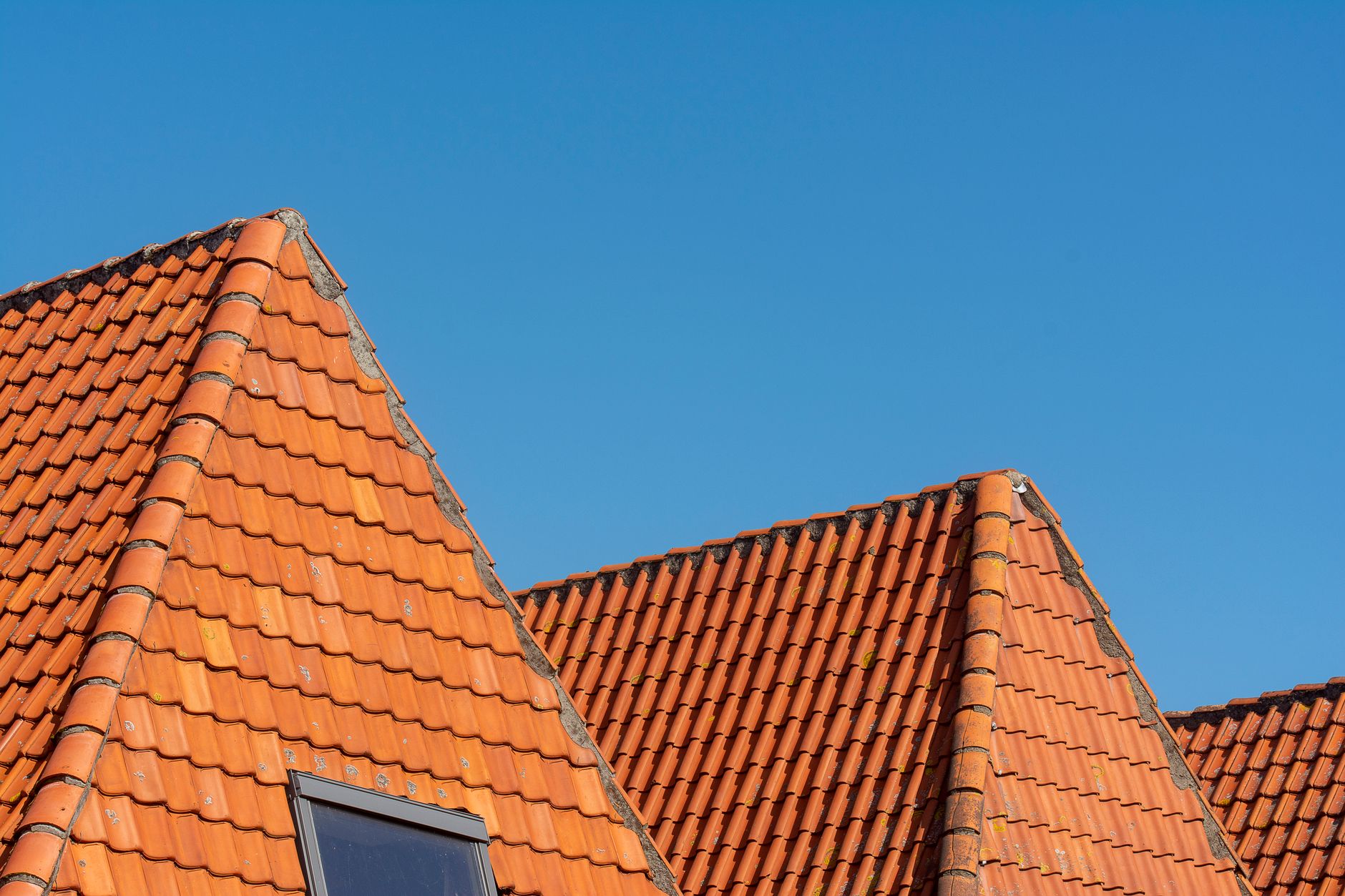
Close-up of red tile roofs under clear blue sky showing architectural design and quality craftsmanship
Material choices accumulate into the longevity you see a decade later. Understanding gauge and coating is understanding how to make that timeline work for you.

The reference table

Drip edge and purlin stock sold as "roofing grade" is expected to meet the guidance published by the Metal Construction Association, which is why gauge and coating matter more than price when you're comparing rolls. The table below breaks down the material types you'll encounter, their typical gauges, coating systems, and which tier makes sense for most residential work.

Material Gauge (Std) Coating System Rust Life Best For
Galvanized Steel 24–30 Hot-dip zinc 15–20 years Budget installations, dry climates
Galvalume Steel 24–28 Zinc-aluminum blend 25–35 years Moderate coastal areas, standard residential
Kynar (Polyvinylidene Fluoride) 24–26 Fluoropolymer coating 40+ years Coastal, industrial, premium work
Copper 16–20 Native patina 100+ years Historic restoration, premium gutters
Gauge numbers run backward: 24-gauge is thicker than 30-gauge. Rust life assumes normal exposure; coastal and salt-spray environments reduce these timelines by 30–50 percent.

Next step

Before you place an order, decide whether you're doing this work yourself or hiring it out. A DIY installation on a ranch house with a simple roof shape is different from a contractor taking on a complex gable with valleys and a chimney. If you're planning to get on the roof, the right materials are only half the puzzle — the other half is installation technique and understanding where water is supposed to flow. We've seen cheap materials installed correctly outlast expensive materials installed carelessly. Choose your materials based on your roof's lifespan expectations and your climate, then focus equally hard on making sure the installation path gets water off the building.

Worth knowing

Any of this work six feet or higher off the ground crosses OSHA's fall-protection threshold for construction. More at OSHA — Fall Protection.

The detail

The jump in price from galvanized to galvalume is usually ten to fifteen percent. The jump from galvalume to Kynar is another fifteen to twenty percent. Those jumps get easier to justify when you understand what you're actually paying for. Galvanized is a zinc coating applied by hot-dipping, which offers reasonable rust protection but can develop white corrosion over time and typically needs replacement around year twenty in normal climates. Galvalume blends zinc with aluminum in a way that resists white corrosion better and extends life to the twenty-five to thirty-five year range. Kynar is a fluoropolymer coating that's chemically resistant to oxidation and UV, and it's commonly specified when the roof needs to last forty years or the environment is particularly hostile — near salt water, downwind from industrial facilities, or in heavily polluted urban areas.